The Motor and the Blade: What Actually Determines a Hand Blender’s Lifespan
A look inside the two components that matter most — from a factory that builds them every day.
When a hand blender starts losing power or making unusual noise after a few months, the root cause often comes down to hand blender motor quality and the blade assembly. Most people assume the whole unit is failing, but the reality is usually simpler — and more specific. [If you haven’t yet planned your SKU structure, start here: Hand Blender Attachments Guide →]
After years on the production floor, I’ve noticed that when a hand blender comes back with performance issues, the root cause almost always traces to one of two places: the motor or the blade assembly. These aren’t the most visible parts. But they do the hardest work. And hand blender motor quality is what determines whether a blender lasts one year or five.
The motor: where performance lives
A hand blender’s motor is asked to do a lot. It needs to spin fast enough to blend ice and frozen fruit. It needs to run slow enough for delicate sauces. It needs to handle frequent starts, stops, and speed changes without overheating or losing torque.
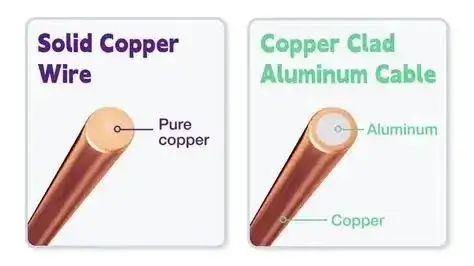
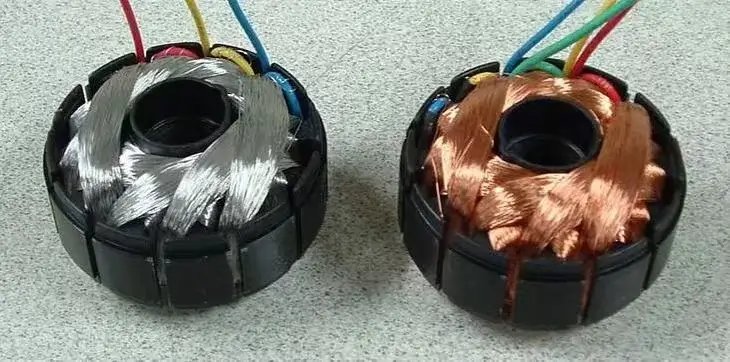
We build our hand blenders around pure copper DC motors. The reason is straightforward: pure copper windings handle repeated thermal cycles better. When a motor heats up during use and cools down afterward, the winding material expands and contracts. Pure copper does this thousands of times without meaningful degradation. It keeps its electrical properties stable over a longer working life.
This isn’t about peak performance on day one. A motor fresh off the line will perform well regardless. The difference shows up in month eight, month twelve, month twenty — when a motor that’s been through hundreds of heating and cooling cycles either holds its smooth, quiet operation or doesn’t. That’s what hand blender motor quality looks like in practice.
We also pay attention to the noise profile. Every motor produces sound. But the difference between a low-hum unit and one that announces itself across the kitchen often comes down to rotor balance and bearing quality. These are small tolerances — fractions of a millimeter — but they add up.
The blade and shaft: where wear meets food
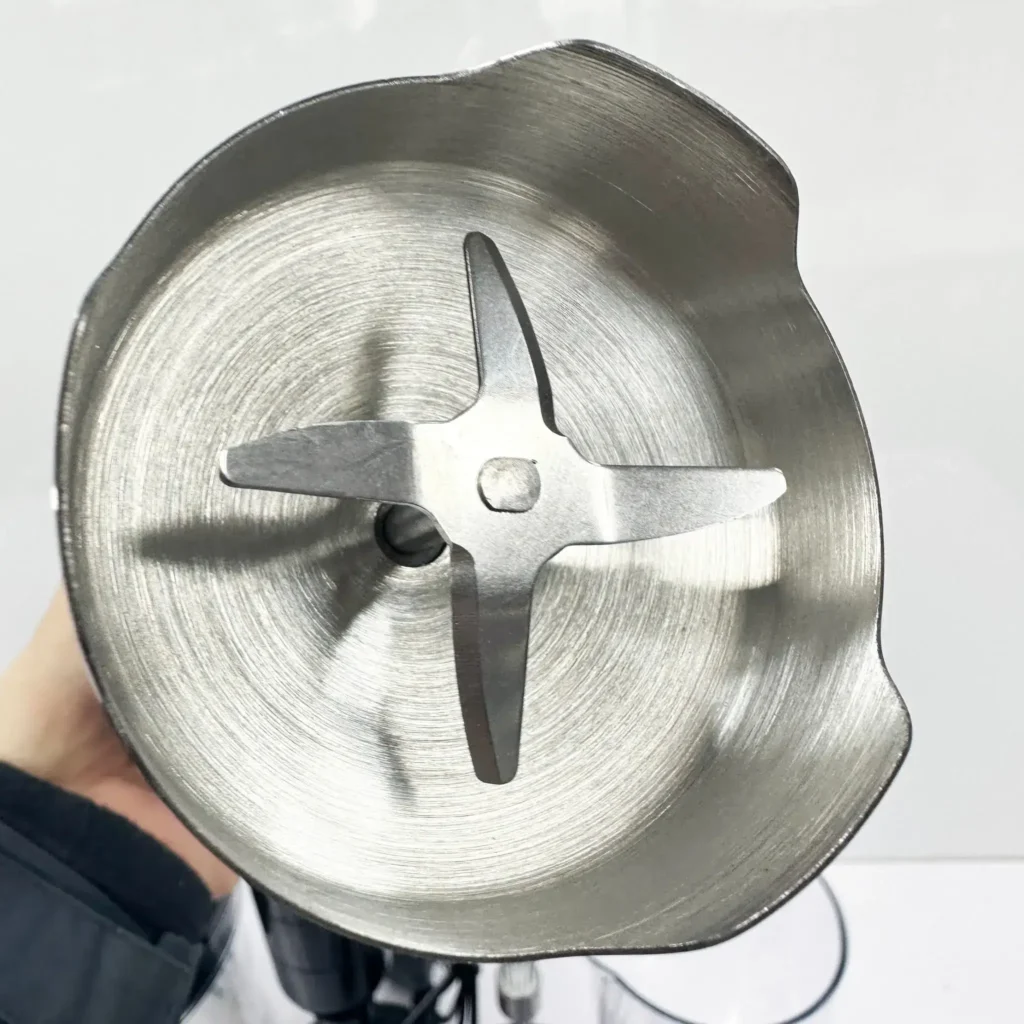
The blending shaft is the only part of a hand blender that directly touches food. It’s also the part that absorbs the most physical stress. Every time a blade hits a frozen strawberry or an ice cube, torque transmits through the shaft. Every acidic sauce tests its corrosion resistance.
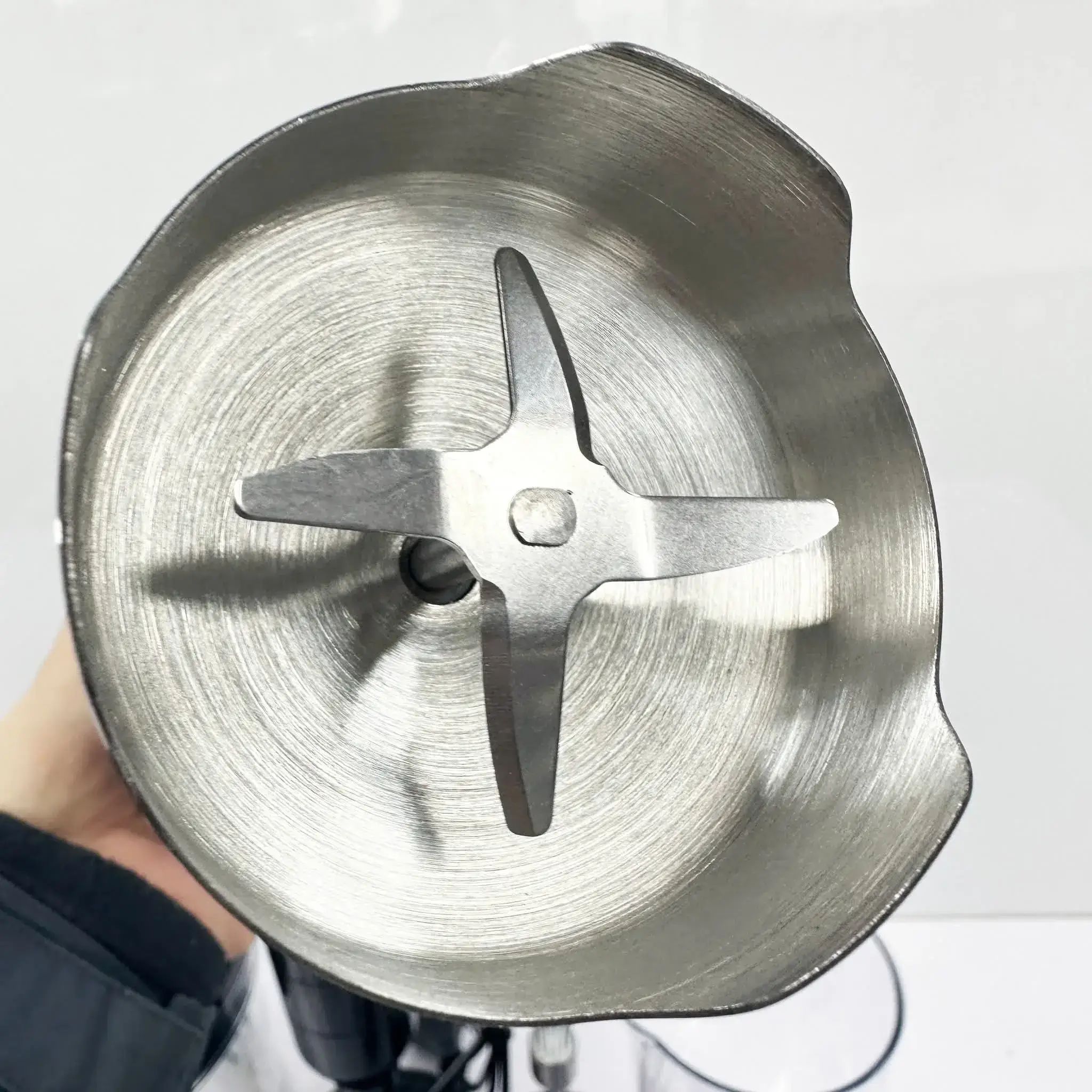
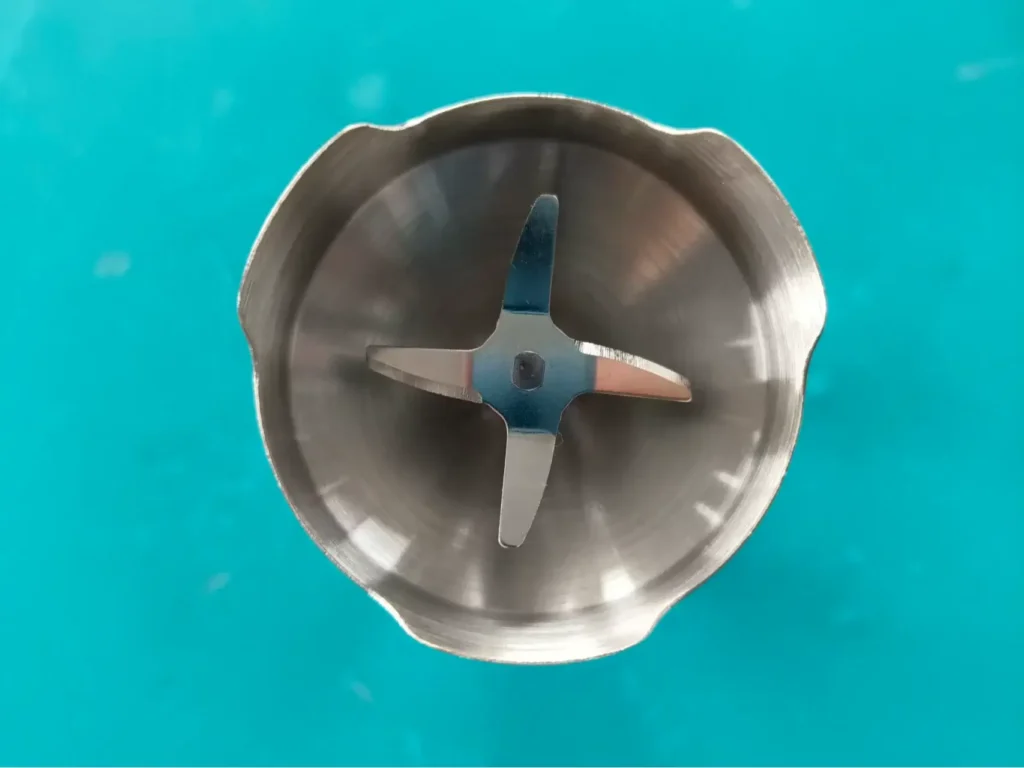
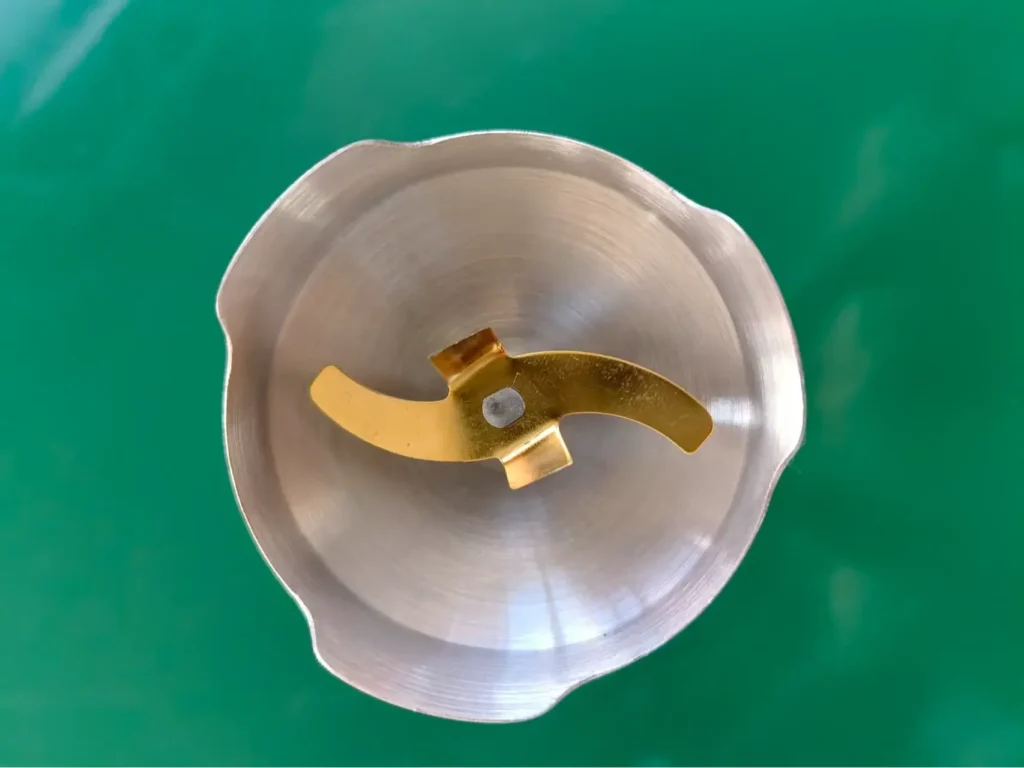
We use 304 stainless steel for both the blending shaft and the blade. This grade is widely used in food processing equipment for a reason — it resists corrosion, holds its edge, and doesn’t interact with acidic or alkaline ingredients. For more on food-grade material standards, the FDA’s Food Contact Substances page provides detailed guidance. For a brand selling into markets where food safety is closely regulated, specifying the shaft material in documentation becomes part of building trust with retailers and end users.
The blade itself is a study in precision. The angle of the cutting edge, the concentricity of the shaft, the balance of the rotating assembly — each of these affects not just how well a blender blends, but how much vibration it transmits to the user’s hand. A shaft that’s even slightly off-center will amplify vibration through the body, making a 600W motor feel louder and less refined than it actually is.When combined with reliable hand blender motor quality, a well-machined shaft keeps vibration low and user experience smooth.
Stepless speed and the stress on internals
Stepless speed control — where the user adjusts speed continuously rather than switching between fixed settings — puts different demands on a motor and blade assembly than a simple 2-speed switch does. [See how we manage this in our 6-step ODM process →]
With 2-speed operation, the motor and shaft are engineered for two distinct performance bands. With stepless control, they need to operate smoothly across the entire range, from a gentle stir to full-speed blending. That means hand blender motor quality must be high enough to deliver consistent torque across the full speed range, and the shaft and blade need to remain balanced at varying RPMs.
The turbo function adds another layer. When a user hits turbo, the motor jumps to peak output instantly. For the blade assembly, this is the moment of highest torque. For the shaft, it’s the moment of highest lateral stress. Every component in the drive train needs to handle that spike without deforming, loosening, or creating noise.
What this means for a brand
These two components — the motor and the blade — aren’t what sells a hand blender on a retail shelf. The outer design, the color, the packaging, the attachment count — those catch the eye first. But what keeps a customer satisfied, what prevents returns, what builds a brand’s reputation in kitchen appliances — that comes from the parts inside.
A blender that runs quietly, feels solid in the hand, and still performs the same way after a year of daily use doesn’t happen by accident. It happens because the factory paid attention to the motor windings, the shaft concentricity, the blade geometry. These aren’t things that show up in a product photo. They show up in customer reviews, in repeat orders, in the absence of complaints.
If you’re building a hand blender brand or expanding your current product line, the spec sheet matters — but hand blender motor quality matters more. [Browse our full hand blender range →]
-768x922.webp)