-scaled.webp)
Low MOQ Hand Blender ODM: What a 1,000-Unit Order Really Looks Like
If you’re launching a new hand blender brand or testing a new market, one question probably dominates your thinking: How many units do I really have to order?
You’ve likely heard the standard answers. A full container. A few thousand pieces. Numbers that feel like betting your entire launch budget on inventory before you’ve sold a single unit.
That’s where a low MOQ hand blender ODM makes the difference. Here’s how it works with us — and why small batches aren’t just possible, they’re practical.That’s what a low MOQ hand blender ODM is built for — real flexibility, not just a number on a quote.See our 6-step ODM process →
Why most factories push for high MOQ
The short answer: production efficiency. Long runs of the same configuration keep changeover time low and output per shift high. Higher order volumes spread that cost out. That’s the traditional factory logic — but a low MOQ hand blender ODM setup turns it on its head.
You need enough units to test the market, fulfill your first orders, and maybe run a promotion — but not so many that you’re sitting on unsold stock six months later. You need flexibility, and you need a factory that built its process around it.That’s the foundation a low MOQ hand blender ODM operates on.
-853x1024.webp)
How we make low MOQ practical
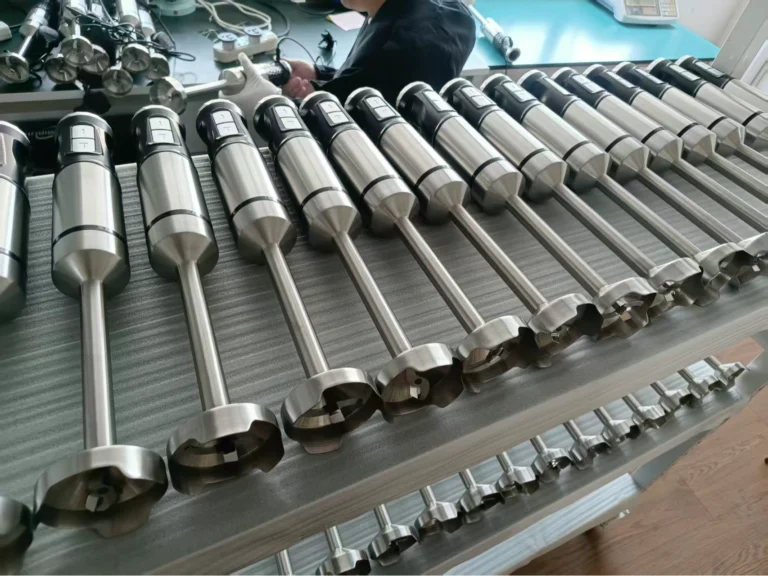
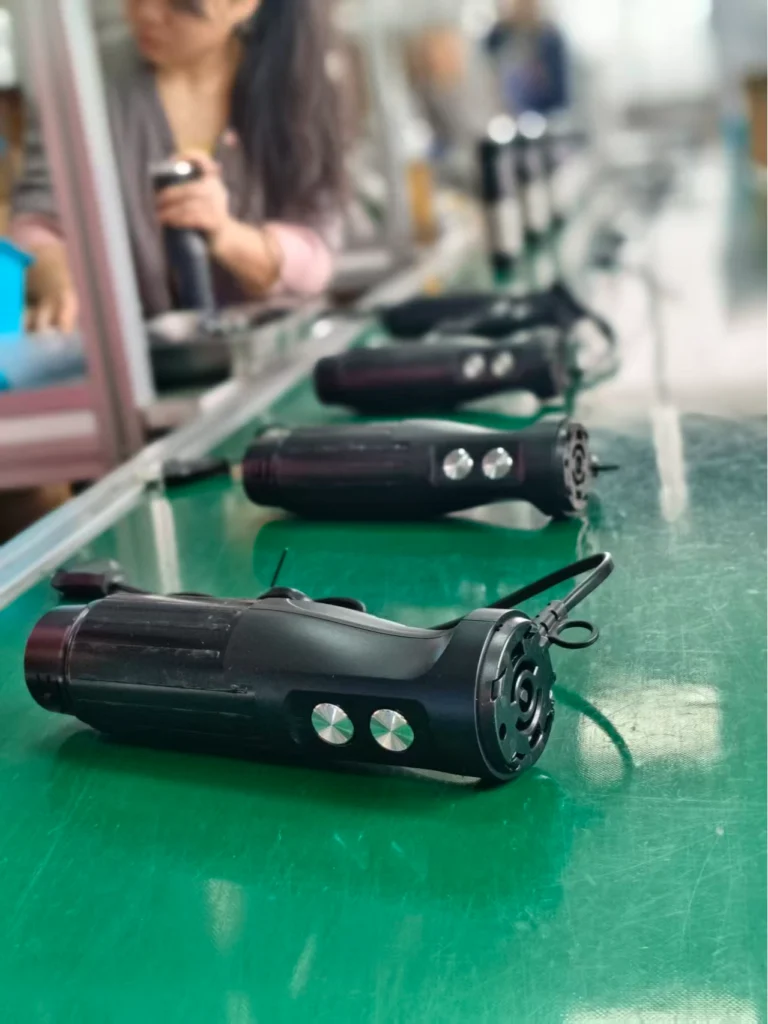
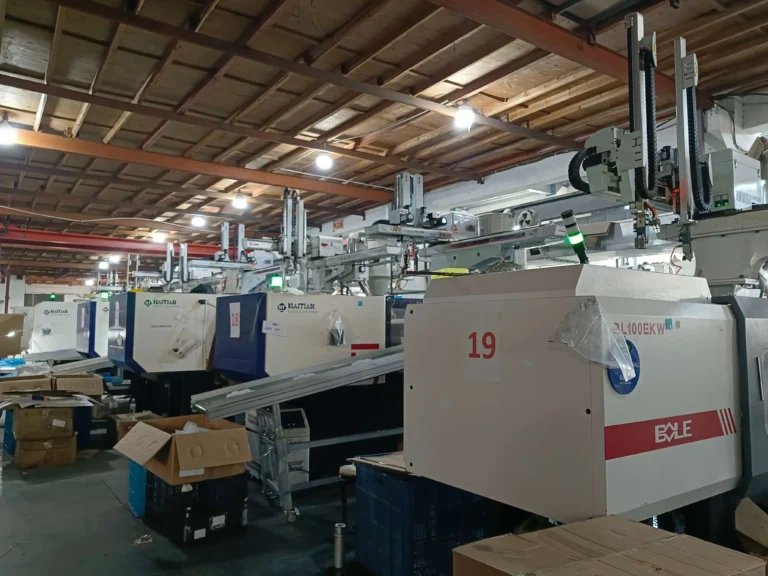
Real low MOQ hand blender ODM starts with a focused factory. We’re a single-category operation — hand blenders are all we do. Our production line is set up for one product type, with tooling and testing workflows that stay consistent across orders.
Shared motor platforms, not one-off builds
Our motor platforms support multiple power levels and speed control types. When you adjust a configuration — say, changing from 600W to 1000W, or from 2-speed to stepless — we’re not starting from scratch. That keeps setup cost manageable even for smaller batches. Learn more about our factory’s flexible ODM setup →
Attachment flexibility is built into the design
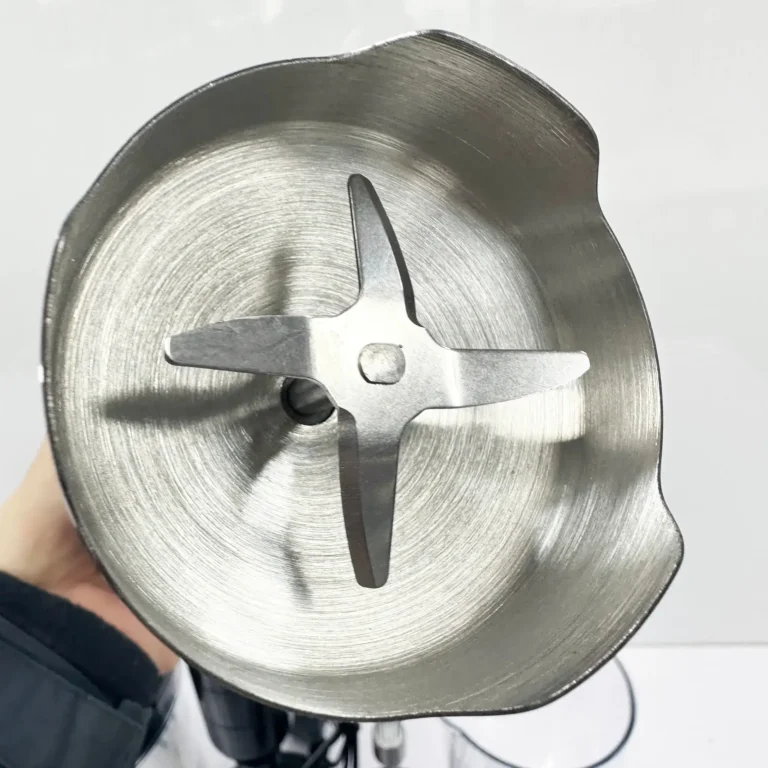
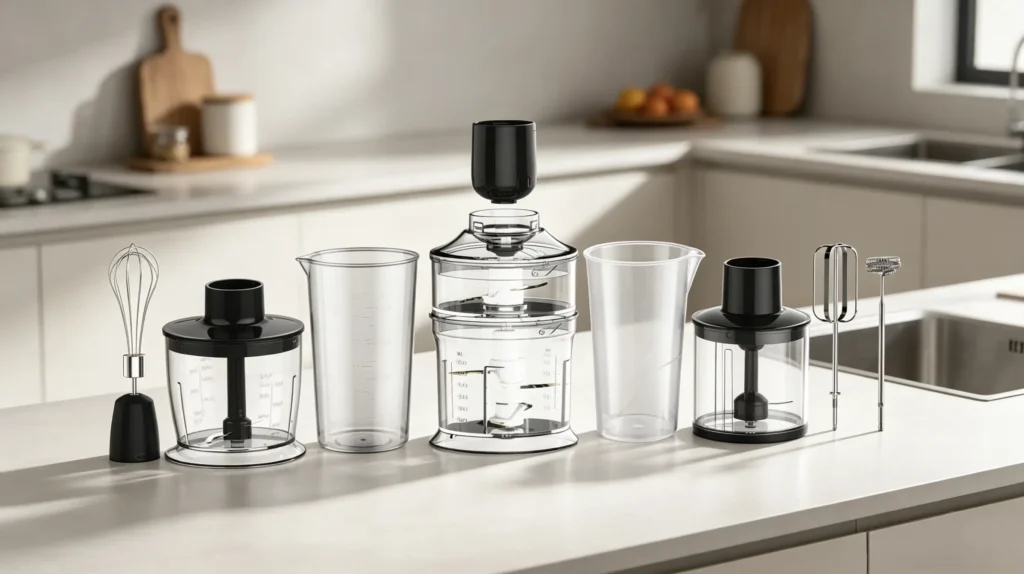
The same motor unit supports our full range of attachments: 500ml chopper, 600ml chopper, double chopper, 700ml PP cup, 700ml AS cup, egg whisk, milk frother, strip beater. Browse our complete attachment range → You can build an entry-level bundle, a mid-range set, or a premium full kit — all from the same core unit. This lets you test multiple SKUs within a single small-batch order without multiplying your tooling investment.It’s one of the practical advantages a low MOQ hand blender ODM setup offers compared to high-volume-only factories.
Packaging runs in small batches too — but there’s a number you should know
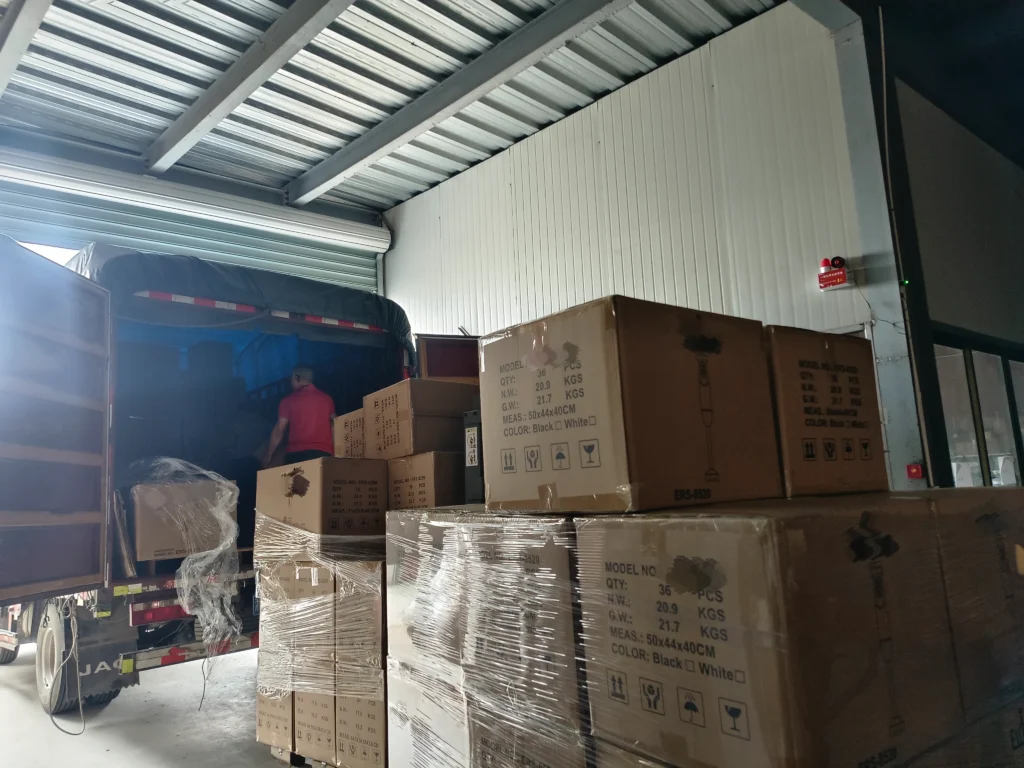
Color boxes, labels, and inserts are produced to match your order volume. We’ve set up our packaging workflow to handle short runs. But here’s the honest detail: packaging suppliers set their own minimums. When a single SKU drops below roughly 1,000 units, the fixed costs of printing and setup get spread across fewer boxes, and the per-unit packaging cost climbs.
This doesn’t mean you can’t split your order across two or three configurations. It just means we’ll show you the numbers transparently. If your total order is 1,000 units and you split it across three SKUs, we’ll tell you which SKU carries the extra packaging cost and why. That way, you decide whether the trade-off makes sense for your market test — not us.
At 1,000 units per SKU and above, the costs settle into an efficient range. And as your volume scales from there, per-unit cost drops in stages — without repackaging or retooling.
What low MOQ actually looks like in numbers
For a first-time order, a practical starting point is around 1,000 units. At this volume, you can run one SKU at full efficiency, or split across two or three configurations with the packaging cost difference clearly laid out.
The unit price at this volume will be higher than a full-container order — that’s the trade-off for flexibility. We’ll show you the cost breakdown openly. As your order volume scales, the per-unit cost comes down in stages.
Two scenarios where low MOQ makes sense
Scenario 1: The multi-channel distributor testing two price points
A kitchenware distributor in Southeast Asia wants to add hand blenders to its catalog. They’re unsure whether a basic bundle or a mid-range set with more attachments will sell faster. They place a 1,000-unit order split across two SKUs. We flag the packaging cost difference upfront. Both SKUs go into their retail channels. Real sales data tells them which one to scale.
Scenario 2: The brand expanding into a new region
A brand already selling in one market wants to enter another. The voltage, plug type, and certification requirements are different. A full-container order is too risky. They start with a small batch of region-specific units, validate demand, then commit to higher volume once the market responds.
What we won’t do
We won’t push you into a larger order than you need. We won’t bury the cost difference between small-batch and high-volume pricing in vague quotes. And we won’t treat your 1,000-unit order as less important than someone’s 5,000-unit order. Same QC process, same attention to detail.
Ready to test your market?
If you have a configuration in mind — or just a market and a budget — tell us. We’ll put together a small-batch proposal that makes sense. No pressure to order more than you’re ready for. That’s the low MOQ hand blender ODM model we run every day — small batches, honest numbers, and a low MOQ hand blender ODM process that puts your market test first.
For first-time importers getting familiar with market requirements, independent trade intelligence tools — such as the Global Trade Helpdesk jointly run by the WTO, UNCTAD, and ITC — can also be useful for validating target markets and understanding tariffs and regulatory basics before you commit to an order.