How to Evaluate a Hand Blender ODM Factory: 7 Things to Check Before You Commit
If you’re sourcing a custom hand blender, you’ve probably already searched “hand blender ODM factory China” and found dozens of options. They all claim to be professional. They all show similar product photos. And most of them will promise you the moon on a first email.
So how do you actually tell them apart?
We’ve been on the factory side of the table for years. Here are seven things we’d check if we were in your shoes — practical, verifiable, and mostly overlooked in the rush to compare unit prices.
1. Are they genuinely focused on hand blenders, or is it just one SKU among many?
A factory that also makes air fryers, juicers, and kettles is not a hand blender specialist. They might be perfectly capable, but their tooling, testing workflows, and engineering attention are spread across product categories.
Ask a direct question: “How much of your production is hand blenders?” If they hesitate, or say “we do many products”, that’s your answer.
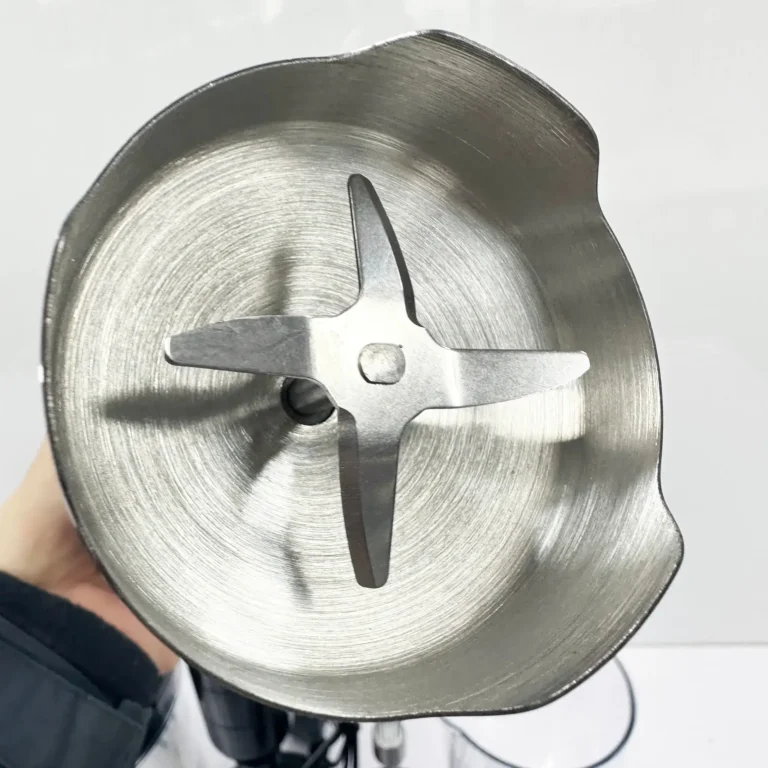
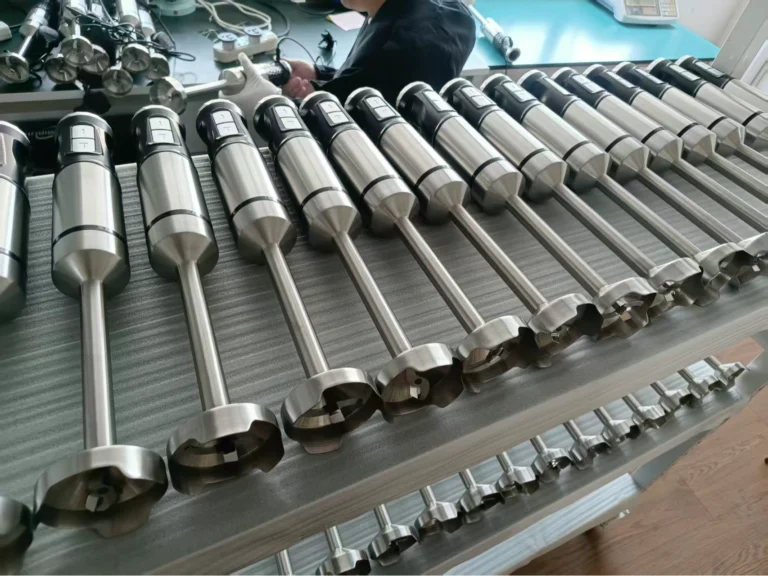
A focused hand blender ODM factory can tell you the exact specifics of motor calibration, shaft concentricity, and attachment compatibility — because that’s what they work on every day. For example, our full attachment range (500ml chopper to strip beater) all fits the same motor platform. That kind of modularity isn’t an afterthought — it’s designed in from the start by a focused hand blender ODM factory.
2. What certifications do they already hold — and which ones will need to be arranged?
CE, LFGB, FDA, ETL, RoHS — these aren’t just logos for a brochure. Each represents a specific testing and documentation process.
An honest evaluation of a hand blender ODM factory involves asking which certificates they have on file, and which ones they need to arrange through accredited third-party labs. A factory that claims “no problem, we can do any certification” without asking about your target market first is either overconfident or not paying attention.
A better answer sounds like this: “We maintain documentation for CE and LFGB. For UL or ETL, we work with accredited labs and can map out the timeline and cost before we begin.” That tells you two things — they understand the process, and they communicate honestly.
For more on official CE marking requirements, refer to the European Commission’s CE marking page →.
3. Can you visit? Or at least video tour?
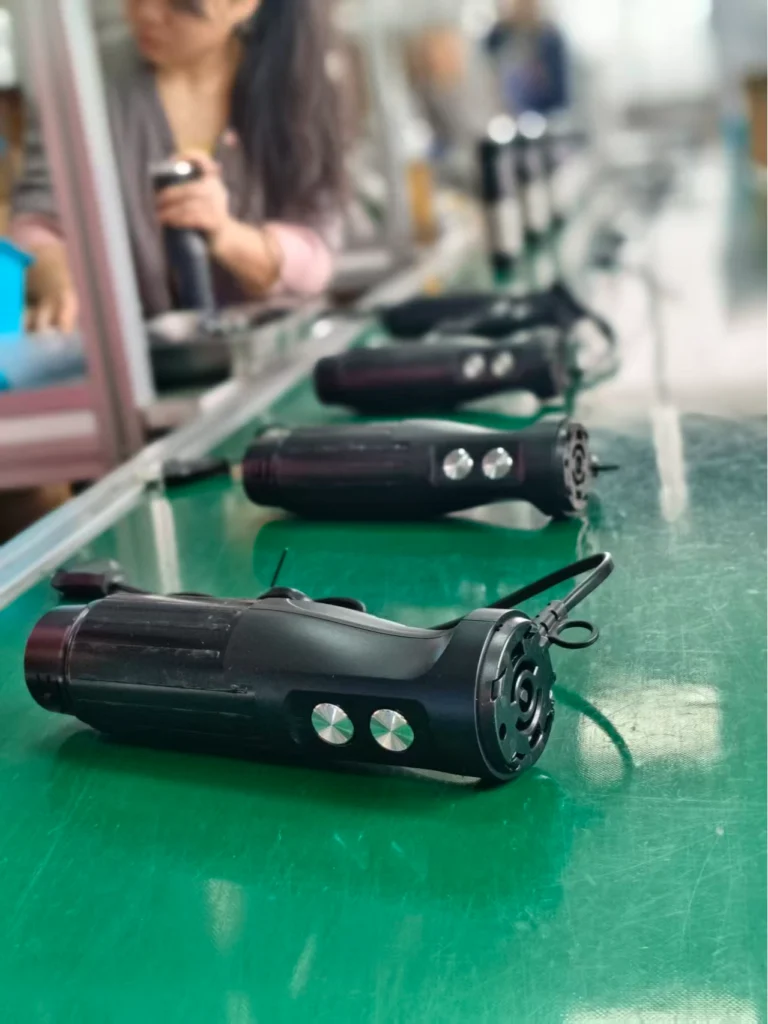
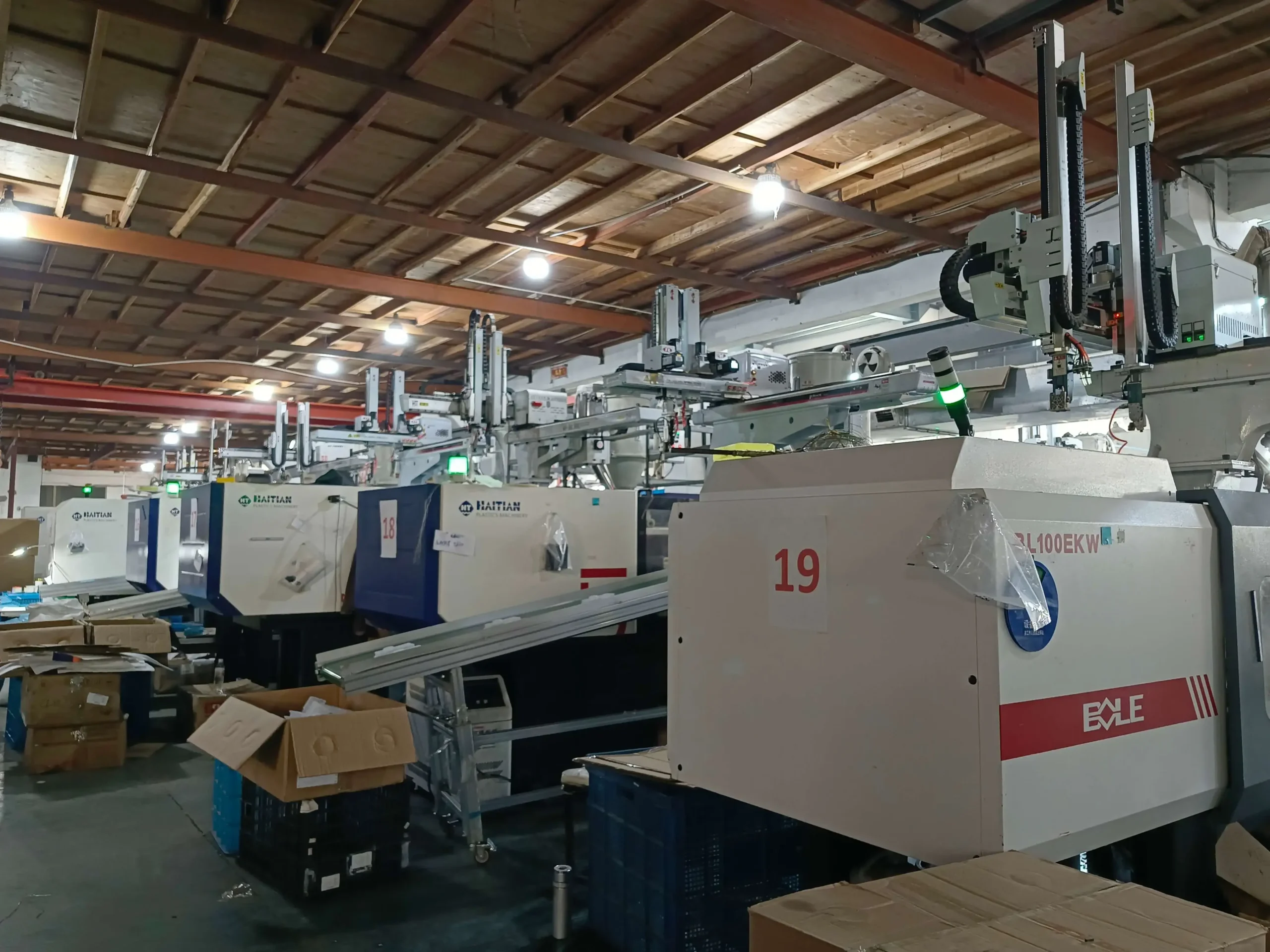
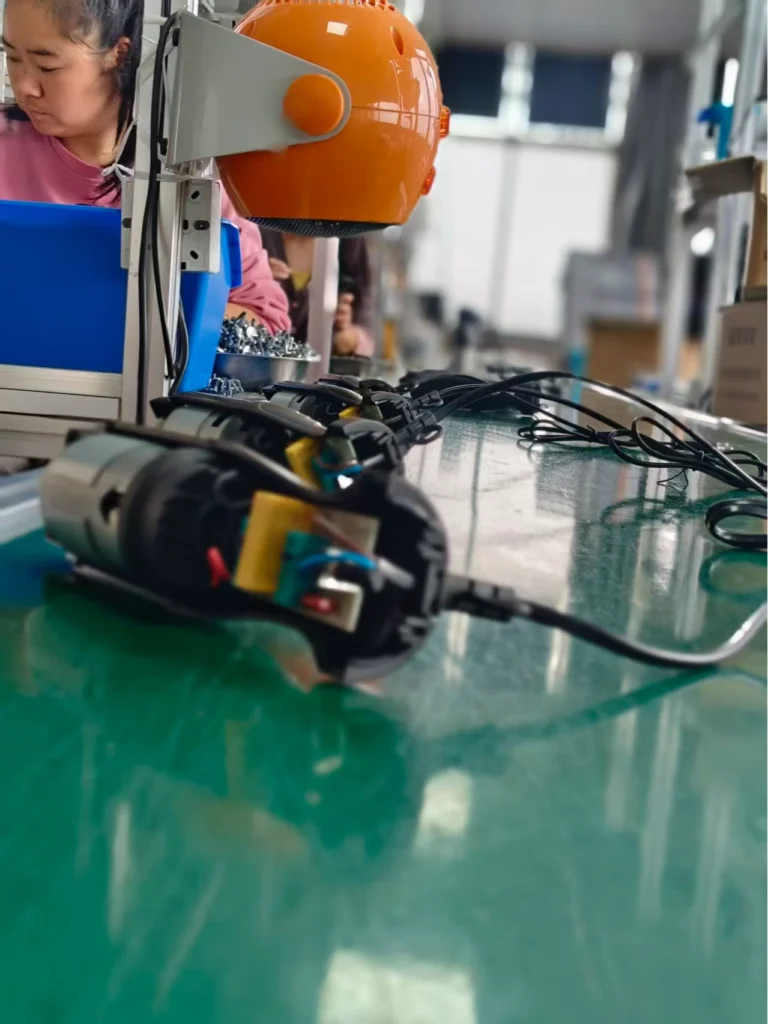
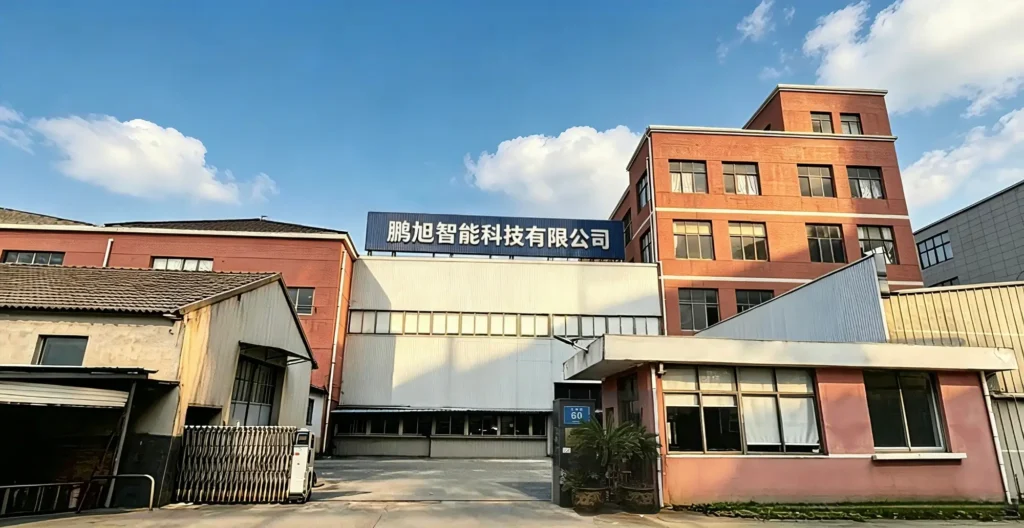
Nothing replaces walking the production floor. You’ll see whether their QC station is fully staffed, whether the assembly line is organized, and whether the factory in real life matches the photos on their website.
If a trip to Ningbo isn’t feasible, ask for a live video tour. Contact us to schedule a visit or video walkthrough → A factory that’s proud of its operation will be happy to show you around. A factory that makes excuses might have something to hide.
When you do visit or tour, check three things: incoming material inspection, in-line QC checkpoints, and the finished goods testing area. These three stations tell you more about quality than any certificate.
4. How does sampling actually work?
Some factories treat samples as a sales tool — close enough to the final spec, rushed out to close the deal. That’s a red flag.
Sample evaluation for a custom hand blender factory project should follow a clear path: your exact specification is built (same motor, same shaft, same attachments), photos and video are shared before shipping, and there’s a defined revision process if something needs adjusting.
The correct answer to a sampling timeline question: “7 to 15 working days, depending on complexity. We’ll send photos and a running video before we ship. If anything needs adjusting, we do a second round.” If their answer is “very fast don’t worry”, ask more questions.
5. Quality control isn’t just a final check — it’s a process
Every factory says they have QC. The difference is in the details.
A proper evaluation of a hand blender factory checks whether QC is integrated throughout production, not just at the end. See how our 6-step ODM process ensures quality at every stage →:
- Incoming material inspection: Motors, plastics, stainless steel, packaging — checked before they enter the production line.
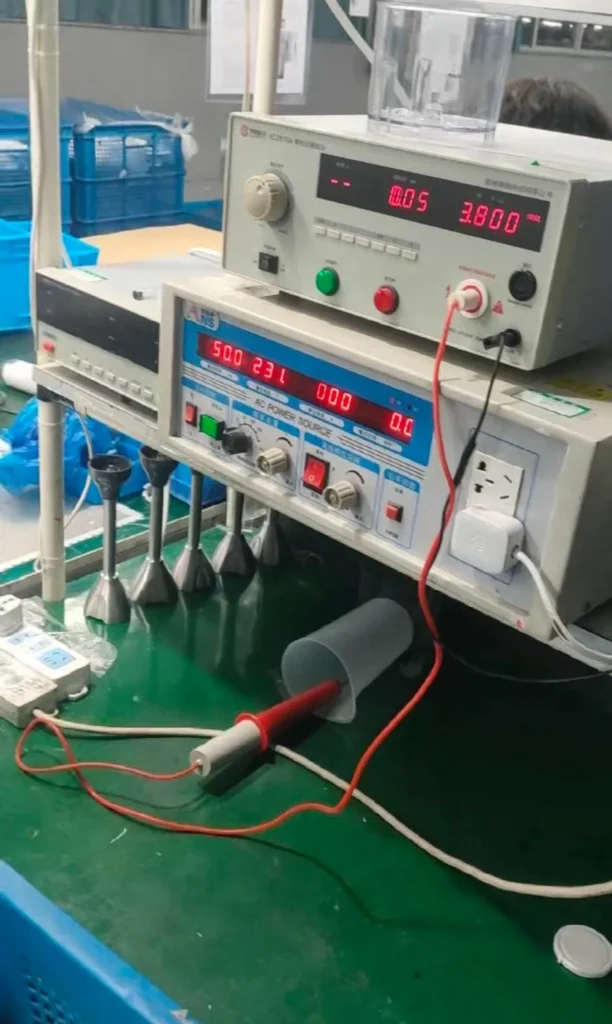
- In-line QC: Random checks at key stages during assembly — motor function, switch response, shaft alignment, attachment fit.
- Final random inspection: Pulled samples tested for power output, speed calibration, noise, and appearance before packing.
A good factory offers to let you bring your own inspector or do a video walkthrough during production. A bad factory says “trust us”.
6. How do they communicate — not just in the first email, but throughout?
Your first inquiry usually gets quick, enthusiastic replies. That’s sales. What matters is what happens after the quotation.
The best evaluation you can do is to pay attention to how a hand blender factory handles the following:
- Do they answer your specific questions, or send generic responses?
- Do they flag potential issues before you discover them?
- Are they willing to say “we need to check that” rather than “yes, no problem” to everything?
A factory that communicates honestly at the inquiry stage will likely do the same during production.
7. Does the hand blender ODM factory offer MOQ and pricing without hidden conditions?
“Low MOQ” is an attractive phrase, but it’s meaningless without context. Read our honest breakdown of low MOQ hand blender ODM costs →
A real evaluation of MOQ includes packaging cost implications. Your quote should transparently show: unit price at different order volumes, sampling cost and timeline, tooling costs (if new molds are required), and any packaging surcharges for small-batch orders.
A trustworthy factory addresses the packaging-cost trade-off directly. For instance, when a single SKU drops below approximately 1,000 units, the fixed costs of printing and setup are spread across fewer boxes, increasing the per-unit packaging cost. This doesn’t mean splitting your order across multiple SKUs is impossible — it simply means you deserve to understand the cost implications and decide accordingly.
If a manufacturer is deliberately vague about MOQ or avoids discussing packaging surcharges, ask yourself what else they might be glossing over.
A useful question to pose: “Can you show me a quotation breakdown for 1,000 units split across two SKUs versus 1,000 units in a single SKU?” Their willingness — or reluctance — to provide that breakdown will be instructive.
Use this list as your filter
You don’t need to ask about all seven points in your first email. But work through them before you commit to a sample, and definitely before you place a production order.
Most factories can make a hand blender. The ones worth partnering with are the ones that communicate clearly, share their limitations honestly, and treat your small order with the same attention they’d give a large one. That’s the mark of a reliable hand blender ODM factory.
If you’d like to test how we measure up against this checklist, start a conversation. We’ll show you exactly what we do — no fluff, no runaround.

-768x922.webp)