Custom Hand Blender ODM: A Factory’s Practical Advice Before You Start
Customizing a Hand Blender? Read This Before You Start
Custom Hand Blender ODM : So you’re planning to launch a hand blender under your own brand – or maybe adding it to an existing product line. You’ve probably contacted a few suppliers already, got some quotes, and realized pretty quickly: this isn’t just about picking a motor and a colour.
We’ve worked with brand owners from Southeast Asia, the Middle East, Europe, and the Americas. Most show up with a rough idea. A few come with a full product brief. But regardless of where they start, almost everyone ends up working through the same set of questions before the first production run.
Here’s what tends to matter most – from the factory side of the table.That’s the reality of most custom hand blender projects we’ve seen.[Learn more about our factory and how we work →]
Custom hand blender power options: more than just a number
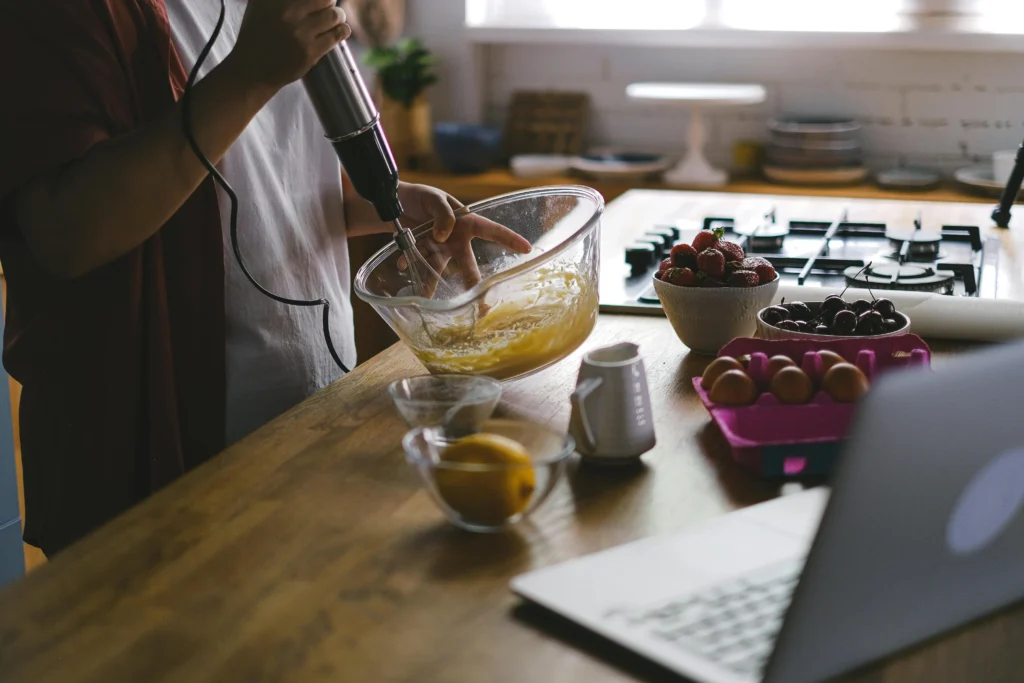
When you’re planning a custom hand blender, don’t get stuck on the wattage number alone.You’ll see hand blenders anywhere from 400W up to 1500W. The real question isn’t “how much power can you give me” – it’s “what will my end users actually blend?”
If the answer is mostly smoothies, soups, or baby food, 400W to 600W does the job fine. At this level, things like noise control and motor reliability start to matter more than the wattage number on the box. Brands we work with that serve price-sensitive markets often begin here.
For ice, frozen fruit, and heavier daily use, 800W to 1200W is where most brands settle. It covers enough use cases without pushing your unit cost into uncomfortable territory. For markets where blenders get worked hard – processing chickpeas, nuts, cooking sauces – we see models closer to 1500W. But at that power level, thermal protection matters, and the factory needs to run a tougher durability test.
One practical tip: ask early whether the manufacturer’s motor platform can scale across power levels. It can save you tooling costs later if you decide to expand your range. [Browse our hand blender models and power options →]
How the user controls speed – smooth and stepless
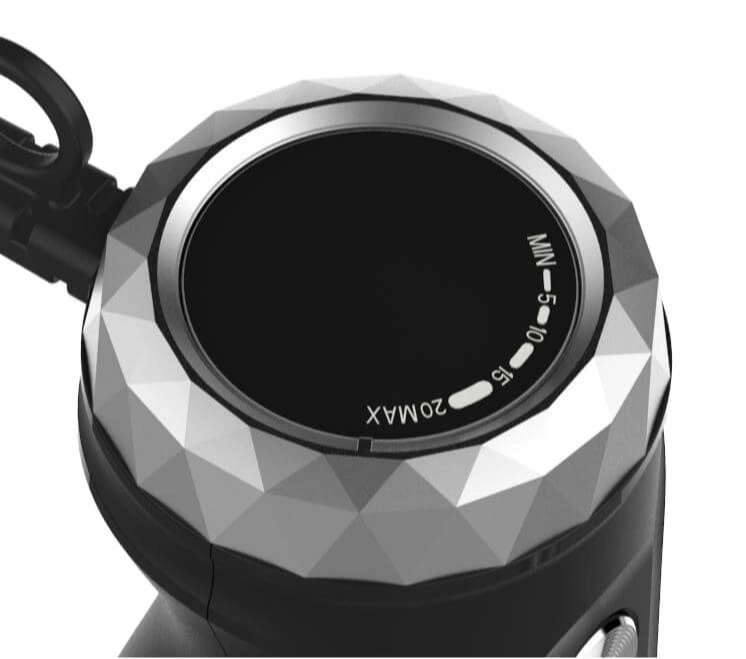
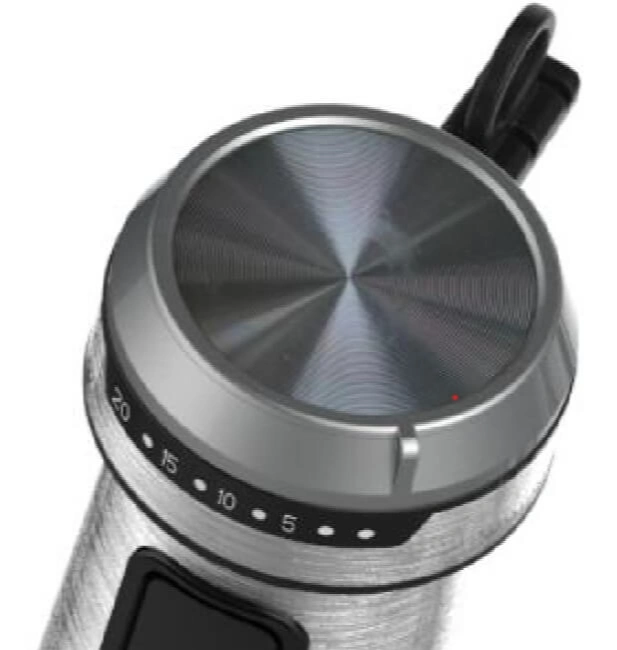
Most of our hand blenders come with stepless variable speed control. It gives the user smoother, more precise control and makes the product feel more premium – something that’s become increasingly expected even in mid-range models. That said, the key here is calibration. A stepless motor only works well when the electronics are tuned properly and production consistency is there. If a manufacturer can’t demonstrate real experience with variable-speed calibration, the “stepless” label doesn’t mean much.
For brands that prefer simplicity, a basic two-speed switch is still an option – but in our experience, stepless is where most projects end up these days.[See our stepless speed control models →]
Stainless steel shaft and the body design detail
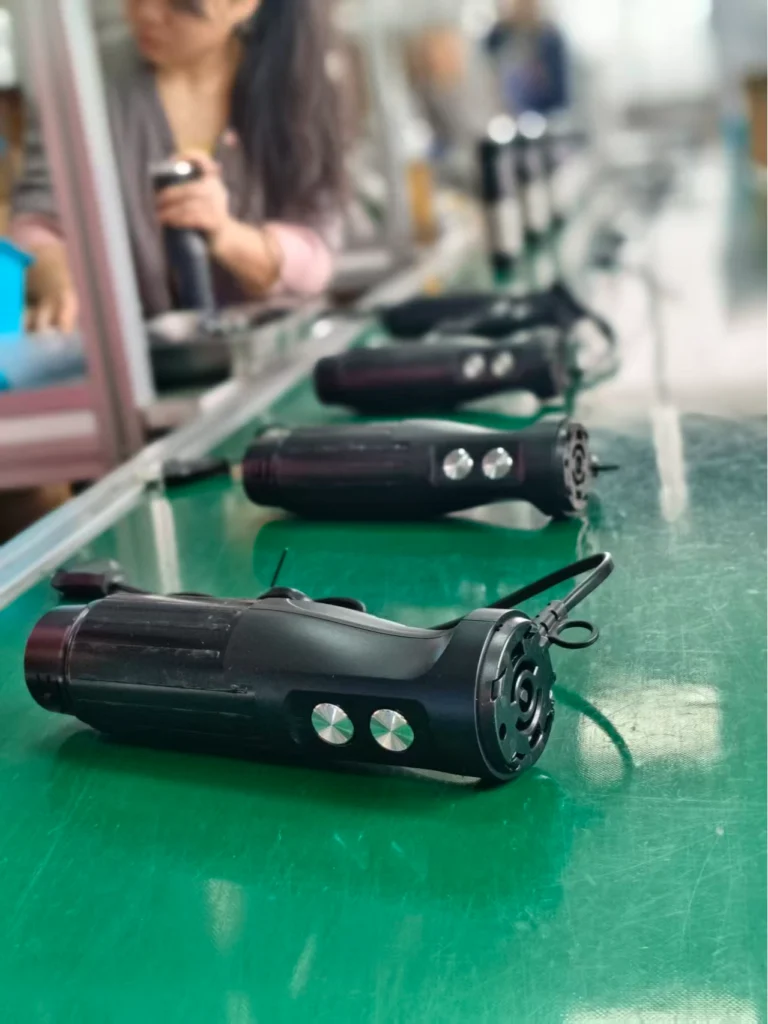
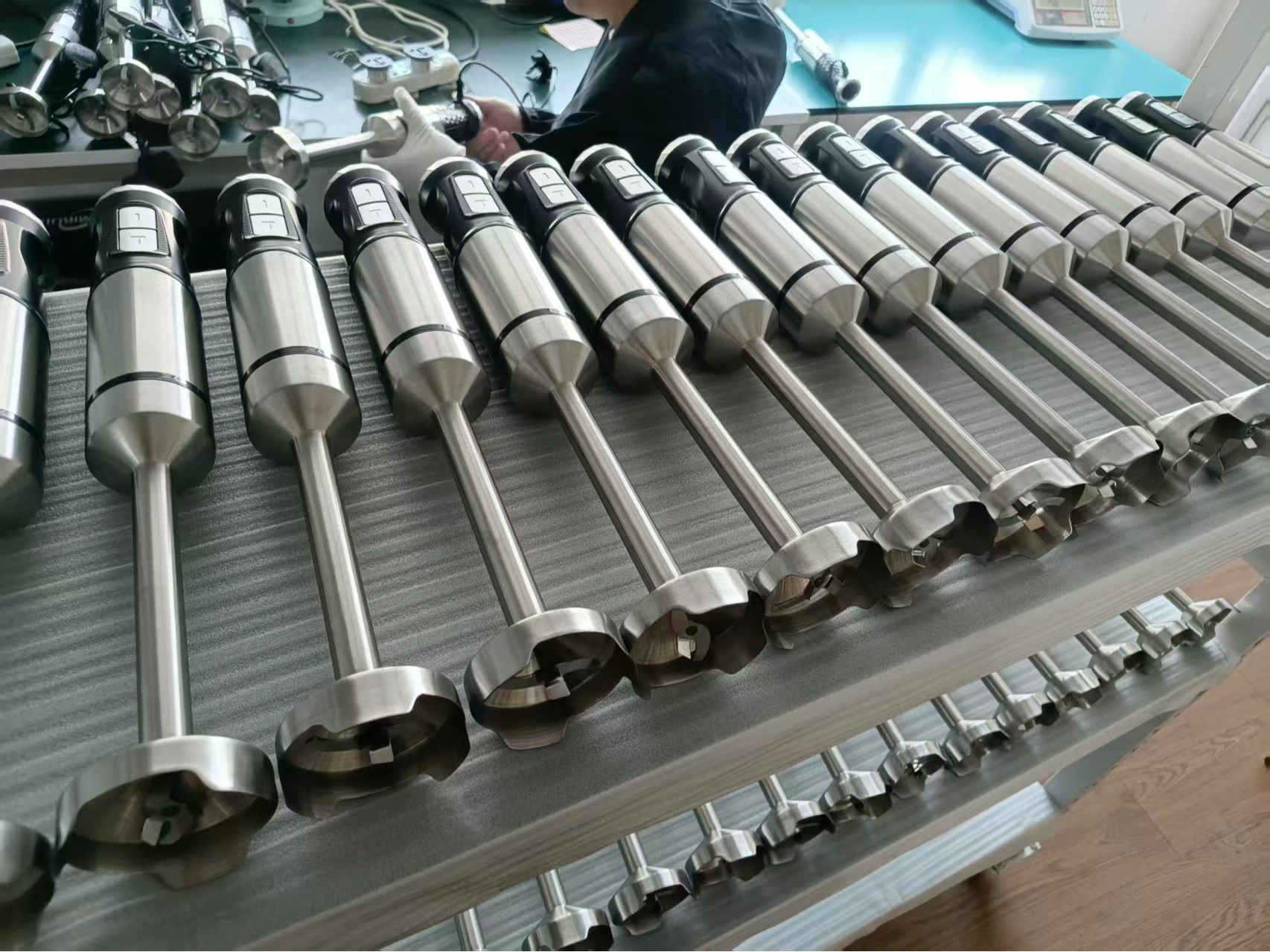
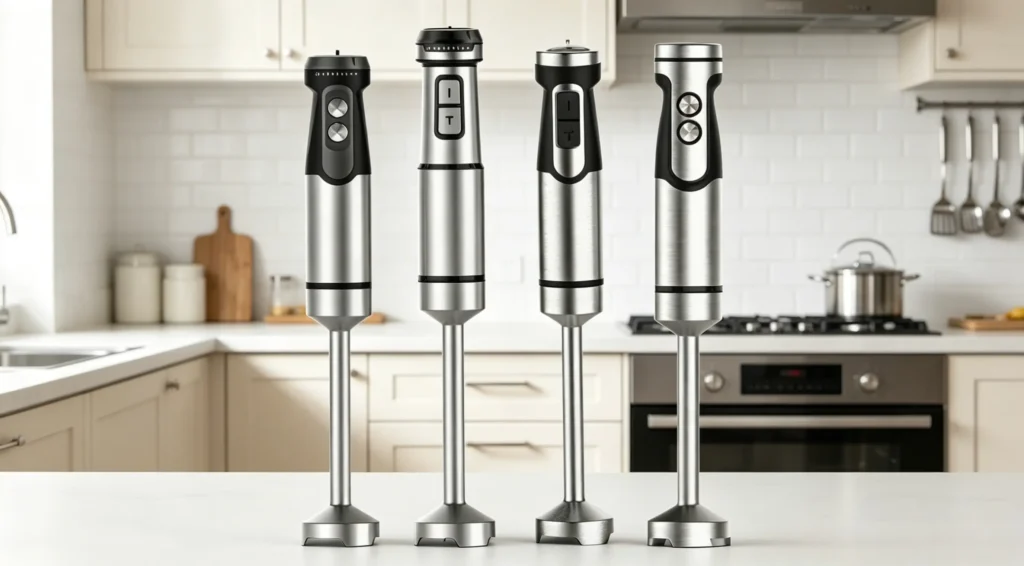
All our blending shafts are stainless steel. It’s durable, handles heat well, and gives the product the kind of quality feel that end users notice.
As for the main body, we use a food-grade plastic motor housing – lightweight, easy to colour-match, and BPA-free as standard. But here’s a detail that makes a real visual difference: nearly every model features a full-body stainless steel sleeve that covers a large portion of the housing. This isn’t a small trim piece; it’s a substantial steel jacket that gives the blender a polished, high-end look while keeping overall weight and cost more manageable than an all-metal body would.
It’s one of those things that stands out on a retail shelf or in an e-commerce listing without pushing the retail price into a different tier.[View product photos and design details →]
Attachments shape your product line – mix and match freely
This is one of the most useful parts of ODM, and we give our clients a lot of flexibility here. Our available attachments include:
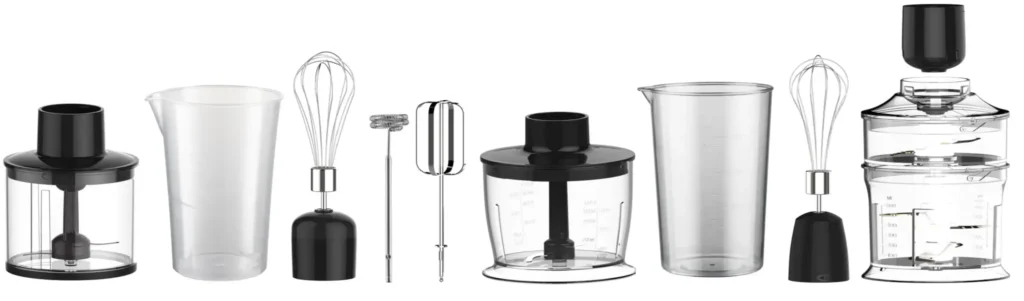
- 500ml Chopper
- 600ml Chopper
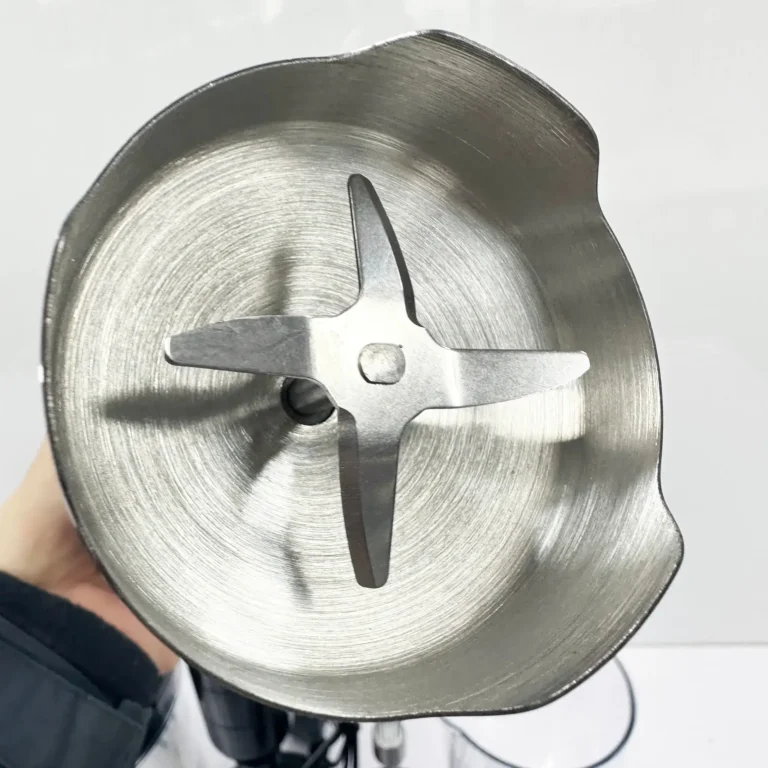
- Double Chopper (double knives)
- 700ml PP Cup
- 700ml AS Cup
- Egg Whisk
- Milk Frother
- Strip Beater
You choose which attachments to bundle. One motor unit can support several combinations, and you can build multiple SKUs – an entry-level set with one or two attachments, a mid-range configuration, or a full kit. For brands testing a new market, this lets you offer variety without multiplying development costs.
If you want to learn more about reasonable collocation and product lineup design, check our article Hand Blender Attachments: 9 Proven Ways to Build Better SKUs.
Certifications – we’re straightforward about this
Rather than make big claims, here’s our honest approach: if your target market requires specific certifications (such as CE marking, LFGB, FDA, UL, ETL, or others), we’ll work with you to get them. This means collaborating with accredited testing labs and preparing documentation as needed during the design and production process.
The important thing is to bring up certification requirements early – during the design stage, not after production has started. That avoids expensive retooling and retesting later. We’ll be upfront about what we already have on file and what would need to be arranged for your project.[Contact us to discuss your certification needs →]
Packaging is part of the product
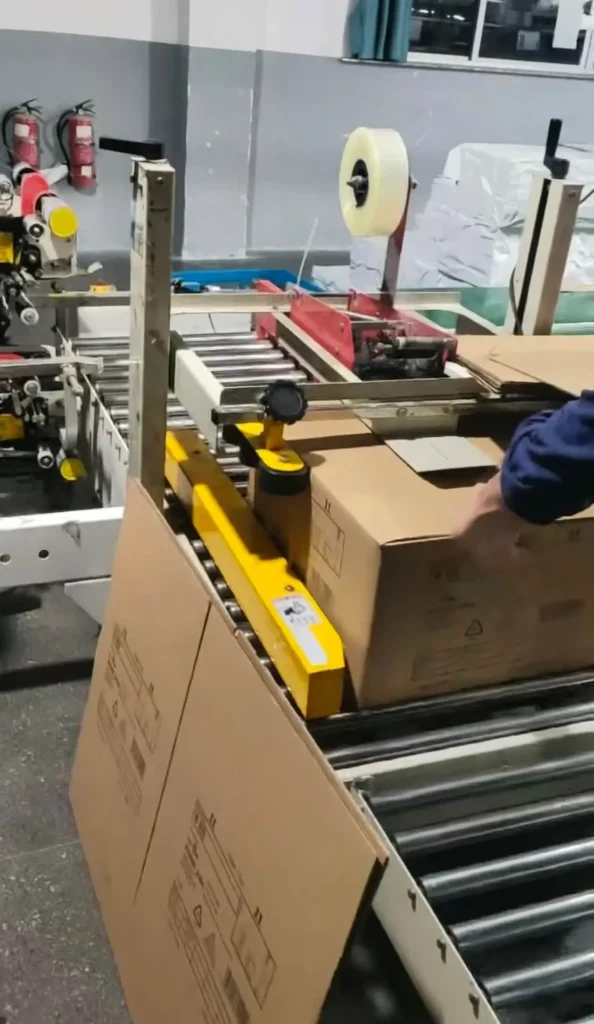
Beyond the branded box, ask about inner packaging that reduces Amazon FBA rejection rates, master carton setups for mixed-container shipments, and neutral packaging if you prefer to finish branding at your destination. These details don’t often come up early, but they directly affect your landed cost and how fast you can fulfil orders.
Bottom line
Most buyers start out comparing specs. The ones who get a smooth project usually compare something else as well: how openly the manufacturer communicates during the inquiry stage.
A smooth custom hand blender ODM project starts with open communication.If you have a rough concept, a sketch, or even just a target market in mind – start a conversation. We’ll help you figure out a configuration that makes sense. No pressure.
-768x922.webp)